
Industrial Flex Space Roofing Planning
Industrial Flex Space Roofing in Lubbock
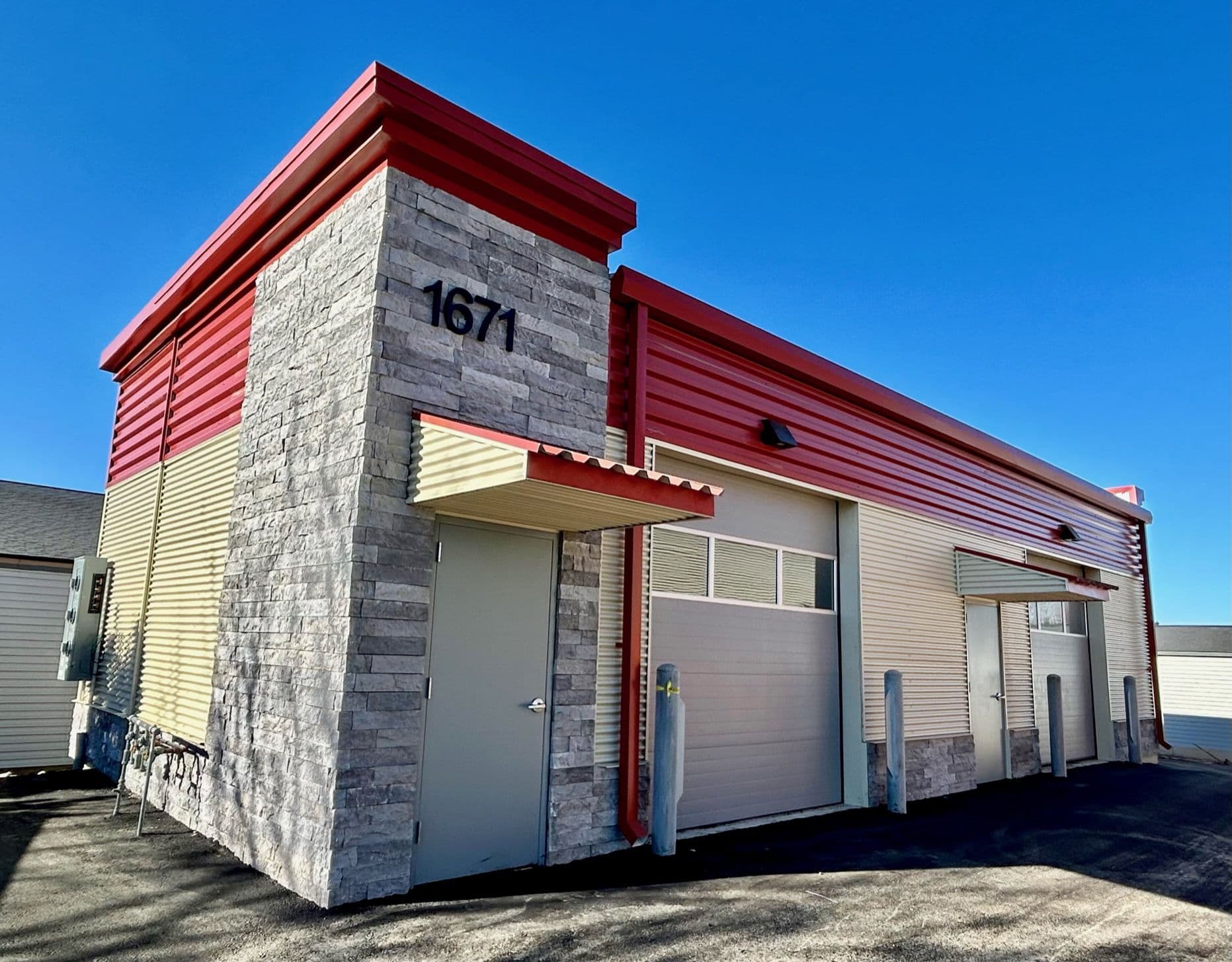
Flex buildings fill the working corridors of Lubbock, the Lubbock Business Park in the northeast, the older industrial stretches off East 50th and Avenue A near the rail district, and the service-commercial parcels along the Clovis Highway and the Brownfield Highway. One building might hold a light manufacturer, a regional distribution operation, a contractor's shop, a lab tenant, or three different businesses split across demised bays, and those uses rotate as leases turn over. The roof has to perform through every one of those occupancies and through the rooftop changes each new tenant brings. We roof flex buildings for that reality, which is a different problem from a single-user warehouse.
The thing that makes a multi-tenant flex roof hard is penetration count. Every tenant improvement adds rooftop equipment, drills the membrane for a new HVAC or electrical run, and sets units down outside whatever the original roof loading plan assumed. Over years of turnover those modifications pile up, almost always undocumented in the property records. So before we touch anything on a Lubbock flex roof, we walk it and inventory it.
Every Flex Reroof Starts With a Penetration Survey
We photograph and map every penetration on the roof, compare it to the original construction documents where they exist, and flag the non-standard or improperly sealed openings that need remediation before new membrane goes down. This is not about cutting corners on the original build; it is about the layers of tenant-driven work that a flex roof accumulates and that nobody recorded. Skipping this step is how warranty disputes start after a project closes, when a leak turns out to come from an abandoned curb nobody knew was there.
One Roof, Many Tenants, Different Schedules
Coordinating a reroof across tenants who have different lease terms and operating hours is its own job. We start from a bay-by-bay occupancy map and a lease contact list from property management, then identify which tenants have live rooftop equipment, which bays are vacant, and which businesses are sensitive to noise or HVAC downtime. Work sequencing and daily dry-in plans run through the property manager; tenants get advance notice but communicate through management rather than flagging down the crew. That keeps a single channel of decisions and keeps the project moving instead of stalling on a dozen separate conversations.
Vacancy Turnover Is When Flex Roofs Fail
The riskiest moment for a flex roof is a tenant move-out. When a tenant pulls its rooftop units, the curb openings are usually left under a temporary cap that fails within a rain event or two, and vacant bays collect debris in their drains faster than occupied ones do. On a building in lease transition we confirm curb-cap status, verify that former-tenant penetrations are properly sealed, and clear the drain system, because an empty bay with an open curb is how a clean-looking building ends up with water in the deck. Investors and property managers buying or repositioning flex space in Lubbock should treat the roof survey as part of due diligence, not an afterthought.
Membrane Choices for Tilt-Wall and Metal Flex
Lubbock's flex inventory ranges from 1970s tilt-wall buildings with aging built-up roofs to modern pre-engineered metal buildings with standing-seam or R-panel roofs, and the spec follows the deck.
We price flex roofing per roof square after a roof walk and a core sample where the assembly is in question. Portfolio owners get standardized condition reports across their properties so capital planning is consistent building to building.
Warranty Coordination When Tenants Keep Changing
A warranty on a multi-tenant roof is only as good as the rules everyone follows, and on a flex building the people on the roof change every time a lease turns. A new tenant's HVAC contractor drilling an unauthorized penetration can void coverage on the whole roof without the owner ever knowing until a claim is denied. We register the warranty, document the as-built penetration map, and give the owner and property manager a clear set of conditions for future rooftop work, so that when a tenant adds a unit the right notification and detailing happen and the coverage stays intact. For owners who keep us on for service, we can review any tenant-driven rooftop change before it happens and keep the warranty file current as the building turns over.
Flex buildings sit on open, exposed sites along Lubbock's industrial corridors, right in the path of the hail and straight-line wind this region is known for. A multi-tenant building also multiplies the consequences of a breach, because one storm-driven leak can hit several tenants' spaces and inventory at once. We specify wind-uplift fastening suited to the exposure, enhance the perimeter and corners where uplift is highest, and use impact-resistant assemblies where hail history warrants it. After a major storm we mobilize fast for emergency dry-in and document the damage for insurance, because on a leased building every hour of water intrusion is a tenant problem and a liability question for the owner.
Questions Lubbock Flex Owners and Managers Ask
How do you deal with all the tenant-added penetrations? We survey and map every one before work starts, compare to original drawings, and remediate the improperly sealed openings before new membrane goes down. That prevents post-project warranty fights.
How do you coordinate across multiple tenants? Through property management, off a bay-by-bay occupancy map. Tenants get notice and communicate through the manager, not the crew, so there is one decision channel.
We have a bay turning over. What should we check? Curb-cap status, sealing of the former tenant's penetrations, and the drains in the vacant bay. That is exactly where flex roofs leak during transition.
Do you handle the metal-roof buildings? Yes. We evaluate coated-metal and retrofit standing-seam recovers against full tear-off based on panel condition, purlin spacing, and load, and we install both.
Next Step
Send the building address, roof age if known, leak photos or condition photos, roof access notes, tenant limits, and the decision timeline. We will shape the roof walk around tenant activity, roof access, safety planning, and the operating schedule below the work and return a practical scope tied to what can be verified.