
Mixed-Use Development Roofing Planning
Mixed-Use Development Roofing in Lubbock, TX
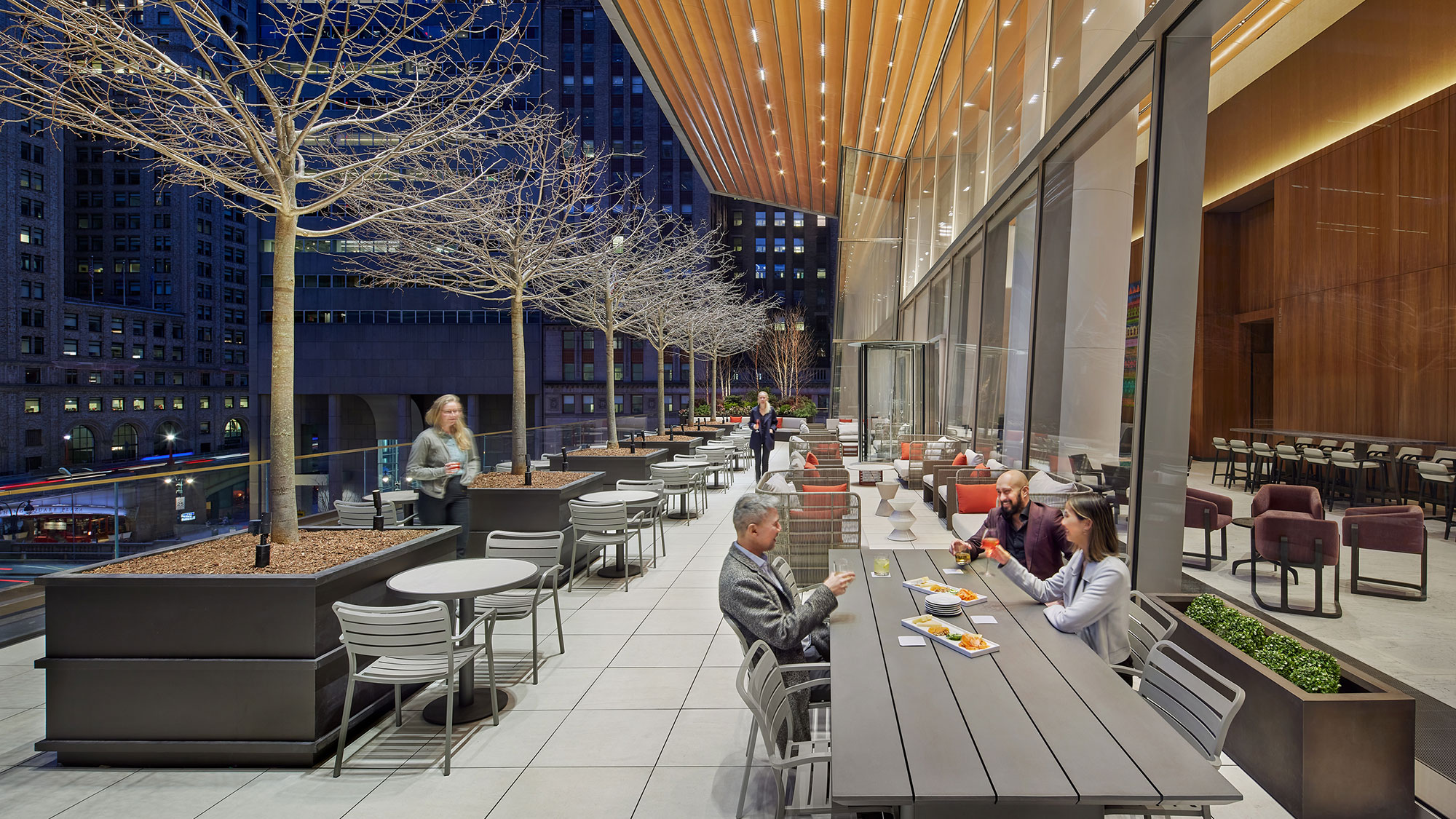
A mixed-use building is really several buildings stacked into one envelope, and the roofing reflects that. Ground-floor retail, residential or office above, structured parking tucked into the base, sometimes an amenity deck on top, all of it sharing one structure with one set of property owners who expect every part of it to stay dry. Lubbock has been building more of these projects as the urban core fills back in, and they demand a different way of thinking than a single-tenant flat roof. The question is never just what membrane goes on top. It is how the retail roof, the residential roof, the parking podium, and the occupied decks relate to each other vertically, and who carries the warranty for each one.
Overton Park, the redevelopment immediately north of the Texas Tech University campus, is the clearest example of where this work lives in Lubbock. What was a tired residential pocket is now a dense district of apartments, retail, and student-oriented housing, and the Depot District southeast of downtown carries a similar mix of restored brick, residential conversions, and ground-floor commercial. As the Marsha Sharp Freeway corridor and the area around 19th Street and University Avenue continue to attract infill, the city's mixed-use inventory keeps growing. Each of these buildings combines roof types that most contractors treat as separate trades, and getting the coordination right is the whole job.
The Podium Deck Is Not a Roof, and Treating It Like One Fails
The deck between parking or retail at grade and the occupied floors above is the single most misunderstood part of a mixed-use building. It is not a low-slope roof and it cannot be membraned like one. A podium deck carries traffic loads, structural deflection, sometimes planters and landscaping with root systems and standing water, and constant hydrostatic pressure that a standard roofing membrane was never designed to resist. It needs a traffic-bearing waterproofing assembly, drainage composite, root barrier where there is landscaping, and a load path worked out with the structural engineer. When someone puts a standard single-ply membrane on a plaza or parking podium, it typically fails within a few years and the leak shows up in occupied space below. We specify these assemblies for what they actually are.
Warranty Coordination Across Different Roof Areas
One of the quietest problems on a mixed-use project is warranty fragmentation. The retail roof, the residential tower roof, the amenity deck, and the podium can easily end up under different systems, different installers, and different warranty terms, which becomes a nightmare the first time a leak crosses a boundary and nobody owns it. We handle the roof areas as a coordinated package, document where each system starts and stops, and register the warranties so the owner has one clear record instead of a folder of mismatched paperwork. On a building with retail tenants, residential leases, and a construction lender all watching, that clarity is worth as much as the membrane.
Working Above and Around People
Mixed-use roofing in Lubbock almost always means working over occupied or soon-to-be-occupied space. Retail downstairs has hours and deliveries. Residents upstairs have leases and expectations about noise. The parapet work, the mechanical penthouse flash-throughs, the elevator overrun, the rooftop amenity waterproofing, all of it has to be sequenced so the building keeps functioning. We build a phasing plan before mobilizing, contain noise and debris, coordinate elevator and common-area access with building management, and confirm every work area watertight in writing at the end of each day. With the kind of fast-moving spring storms the South Plains gets, an open deck over leased residential units is not a risk we leave on the table overnight.
Mixed-Use Development Roofing Questions
What is the difference between roofing and waterproofing on a podium deck?
A roofing membrane is built for low-slope drainage and occasional maintenance foot traffic. A podium deck has to handle pedestrian or vehicle loads, structural deflection, root intrusion from planters, and constant water pressure in landscaped areas. That requires a traffic-bearing waterproofing assembly. Putting a standard roof membrane on a podium is the wrong specification, and it usually leaks into occupied space within a few years.
How do you keep roofing work from disrupting retail and residential tenants?
We phase the work before we mobilize, contain noise and dust, and coordinate elevator and common-area access with building management. Retail hours and resident schedules drive the sequencing, and every work area is confirmed watertight in writing before each day ends so an overnight storm never reaches the tenants below.
Can you handle a rooftop amenity deck?
Yes. Amenity decks need a traffic-bearing waterproofing assembly beneath the finished surface, coordinated with the deck-finish contractor and the structural engineer, not a standard membrane. We specify, install, and warranty that assembly as part of the project.
How do you keep the warranties straight across different roof areas?
We treat the roof areas as one coordinated package, document where each system begins and ends, and register the warranties together so the owner has a single clear record. That prevents the finger-pointing that happens when a leak crosses the boundary between two separately installed systems.
Do you work within a construction lender's documentation requirements?
Yes. Mixed-use lenders and developers typically want reviewed submittals, manufacturer system approval, mock-up testing, quality-control inspection reports, and warranty registration at closeout. We work inside that framework from preconstruction through final inspection.
Next Step
Send the building address, roof age if known, leak photos or condition photos, roof access notes, tenant limits, and the decision timeline. We will shape the roof walk around tenant activity, roof access, safety planning, and the operating schedule below the work and return a practical scope tied to what can be verified.