Auto Dealership Roofing Planning
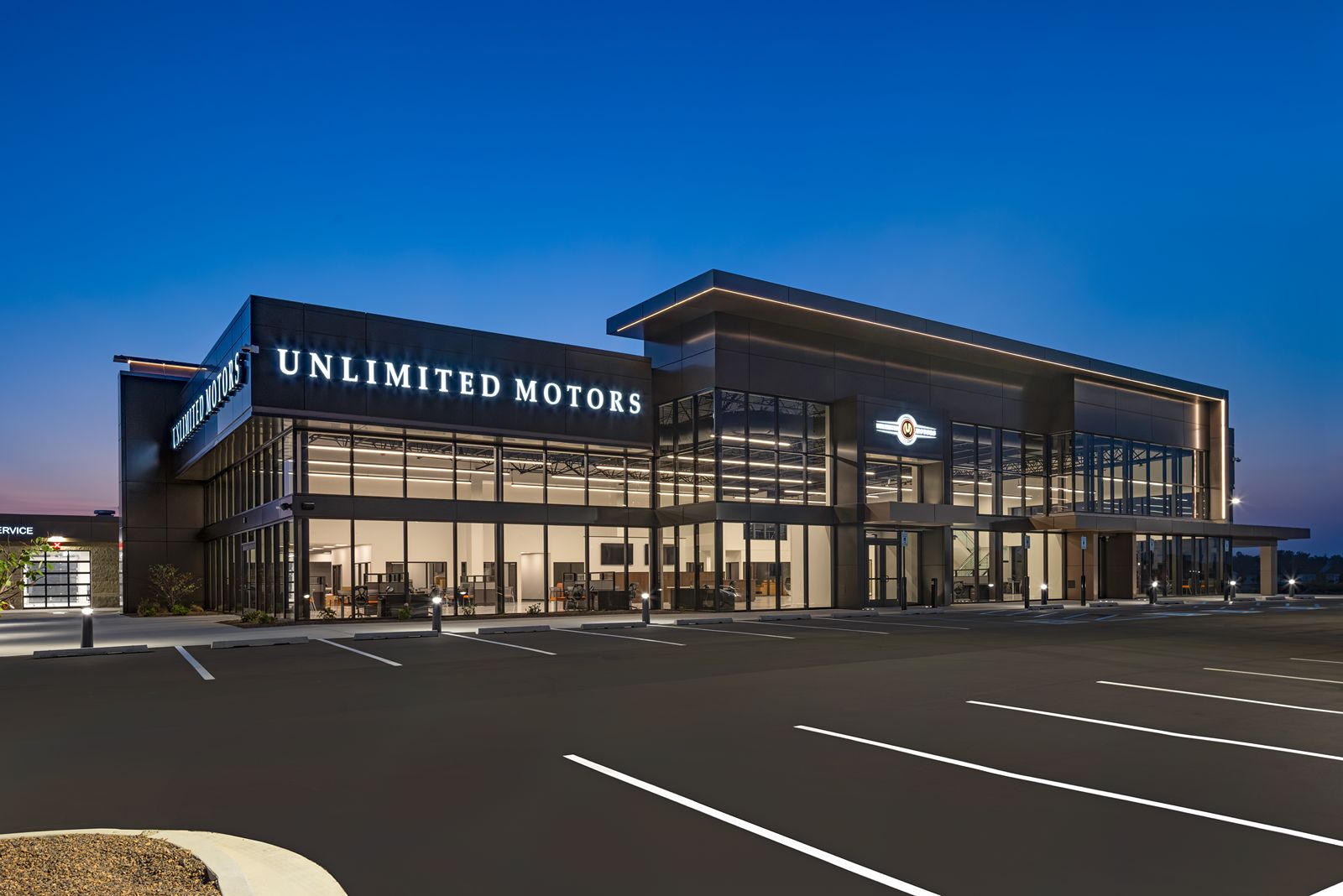
Reagor-Dykes Auto Group has historically been one of the dominant dealer groups in the Lubbock market, and its multi-brand campus facilities on the South Loop represent the scope and operational complexity that defines large Texas auto dealership roofing projects. The South Plains' climate — severe hailstorms, extreme heat, powerful wind, and the occasional driving dust storm — creates a roofing environment that demands systems built for punishment, not just for minimum code compliance.
Hail is the defining roofing threat for Lubbock dealerships, full stop. The South Plains experience some of the most severe and frequent hail events in North America, with stones exceeding two inches documented multiple times per decade in Lubbock County. For a dealership, a major hail event is simultaneously a vehicle inventory claim event and a roofing system event. While the outdoor inventory gets the headlines, the roof membrane, skylights, metal panels on service structures, and rooftop HVAC equipment are all damaged in the same storm. FM 4473 Class 4 impact-resistant membrane is not optional on a Lubbock dealership; it is the obvious specification for any operator who has lived through a Lubbock hail season.
Showroom skylights at Lubbock dealerships face a brutal combination of UV degradation, hail impact, and thermal cycling that is among the most demanding skylight environments in the country. Polycarbonate panels discolor rapidly in West Texas UV conditions and should not be specified on any showroom skylight system that is expected to perform acceptably for more than eight years. Laminated safety glass with a tempered outer lite is the appropriate specification for Lubbock showroom skylights — it provides both the hail resistance and the UV stability that polycarbonate cannot deliver in this climate.
Wind uplift on Lubbock dealership roofs must be engineered to exceed standard specifications. The South Plains generate sustained high winds and gusts that can challenge even FM 1-90 rated edge metal systems. Perimeter and corner fastener densities should be calculated for Lubbock's design wind speed — which may justify FM 1-120 specifications in exposed locations — and edge metal should be verified as installed per manufacturer specifications, not just delivered to the job site. A roof edge failure in a Lubbock windstorm can initiate progressive membrane loss across the entire roof area.
Heat management during Lubbock roofing installation requires strict protocols. West Texas summer heat means that roof surface temperatures on existing dark membranes can exceed 185 degrees during afternoon hours, creating unsafe working conditions for crews and exceeding the application temperature ratings of adhesive products. Projects should be scheduled for morning installation of adhesive-applied components, with afternoon work limited to mechanical attachment and other temperature-insensitive activities. A contractor who applies adhesive at 100-degree ambient temperatures is potentially voiding the membrane manufacturer's warranty.
Service department roofing on a Lubbock dealership must manage the dual challenge of heavy vehicle-use heat loads and the need for absolute weather resistance during the hail season. Service bay exhaust extraction systems, lift vent penetrations, and HVAC curb installations all require precise flashing that will withstand both hail impact and the wind-driven rain that typically accompanies West Texas hailstorms. Prefabricated curb flashings from the membrane manufacturer are superior to field-fabricated alternatives for these critical penetrations.
Occupied operations at a Lubbock dealership require careful management of rooftop debris in the wind. West Texas wind can carry roofing materials off a job site before perimeter containment netting is deployed, creating safety and liability hazards in adjacent parking areas and roadways. Daily job site cleanup and wind-sensitive scheduling — specifically, avoiding tear-off activities on days with forecast winds exceeding 20 mph — are operational requirements that should be contractually required.
Dust storm events are a unique Lubbock hazard that affects rooftop drain systems. A significant haboob can deposit fine clay and silt on a rooftop in an hour, and that material — when wetted by subsequent rain — can create a dense slurry that blocks drain strainers almost immediately. Post-dust-event drain inspection and clearing should be standard protocol for Lubbock dealership facilities, particularly in the spring and fall dust storm seasons.
Preventive maintenance for Lubbock dealership roofs must include quarterly inspections given the intensity and frequency of weather events in this market. Spring inspection before hail season, early summer inspection before peak heat, fall inspection after monsoon season, and winter inspection covering thermal cycling effects should all be on the calendar. Post-storm assessments after any hail event are mandatory and should be documented within 24 hours for insurance purposes.
Next Step
Send the building address, roof age if known, leak photos or condition photos, roof access notes, tenant limits, and the decision timeline. We will shape the roof walk around roof evidence, access limits, weather exposure, and budget timing and return a practical scope tied to what can be verified.