
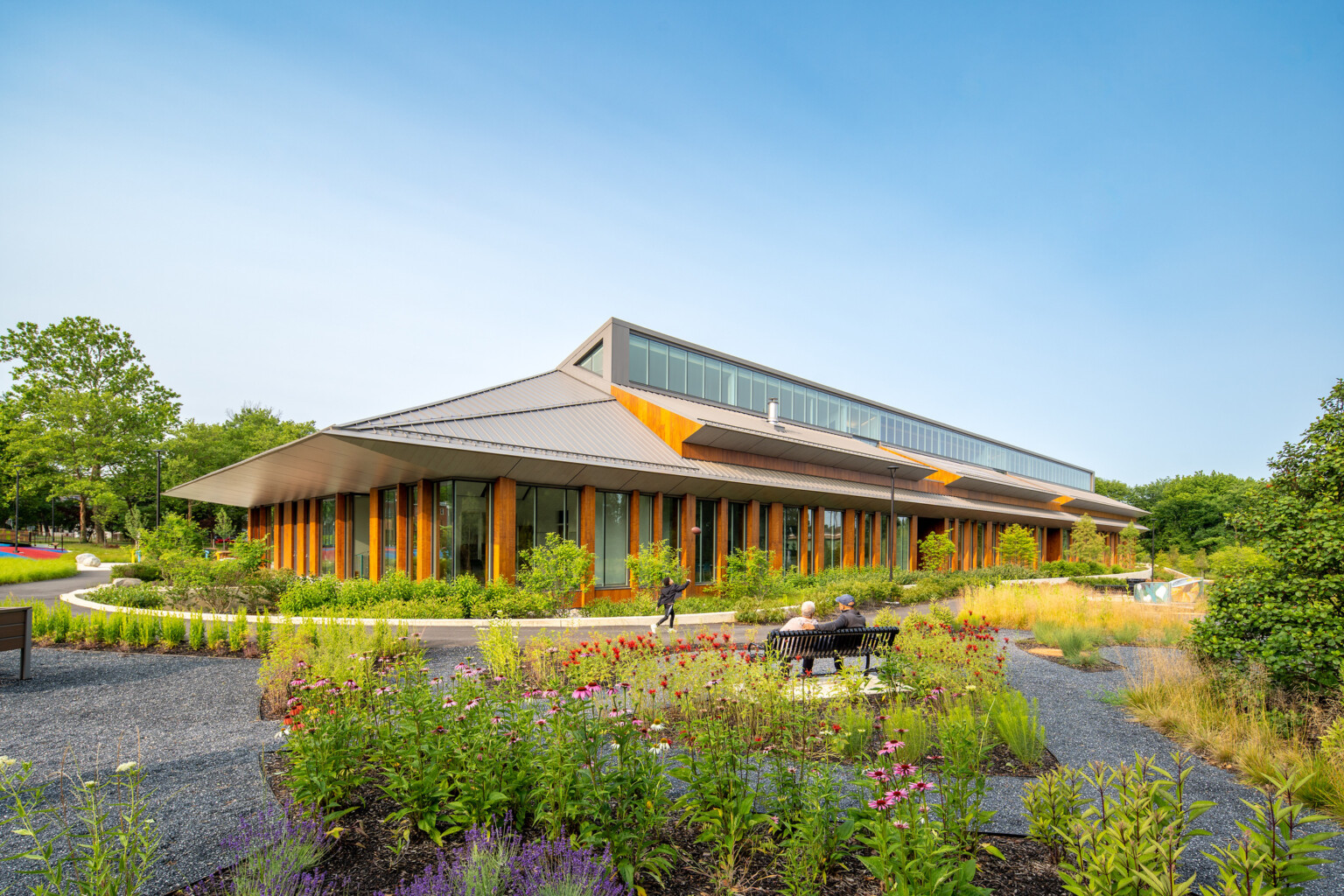
Fitness Center & Gym Roofing Planning
Fitness Center and Gym Roofing in Lubbock, TX
Gyms generate weather on the inside. A floor full of people working out throws off heat and moisture, the showers and locker rooms run humid all day, and if there is a pool or a sauna in the building the vapor load climbs higher still. All of that pushes up against the underside of the roof, and a membrane that is perfectly installed on top can still fail from below if the assembly underneath it was not specified for the conditions. We roof fitness centers and gyms across Lubbock with that reality front and center, because the leak that shows up over the free-weight floor usually started as condensation nobody planned for.
Lubbock has a deep fitness market, driven in large part by the more than forty thousand students at Texas Tech University and a young population that keeps the gyms full. National chains and independent operators cluster along the 82nd Street retail belt, around the South Loop 289 shopping corridor, and out toward the newer development on Milwaukee Avenue and 98th Street. The student-heavy demographic means a lot of these facilities run nearly around the clock, and the building never really empties out long enough for a contractor to take it offline. That is the operating reality we plan around, not a complication we discover after we start.
Humidity Is the Real Enemy on a Gym Roof
The mistake that kills fitness center roofs is treating interior humidity as somebody else's problem. Shower rooms, steam rooms, pool enclosures, and a packed training floor all drive water vapor up into the roof assembly, and if the vapor retarder is in the wrong position for the climate, that moisture condenses inside the insulation and quietly destroys its R-value over a couple of seasons. Lubbock sits in a semi-arid climate zone, which changes where the vapor control layer belongs compared to a humid Gulf Coast building. We review the existing assembly, confirm whether the vapor retarder is positioned correctly for this region, and specify the reroof so the moisture has somewhere to go instead of getting trapped.
The Penetration Count Is Higher Than the Footprint Suggests
Fitness buildings carry a dense rooftop mechanical load. A large open training floor needs high-volume air handling just to manage the carbon dioxide and moisture that a crowd produces. Group-exercise rooms, locker rooms, and any pool or spa area each carry their own ventilation with dedicated rooftop supply and exhaust. The result is two to three times the penetrations per thousand square feet that you would find on a comparable retail or office roof. Every one of those penetrations is a potential leak, and the standard flashing detail is not enough for the humidity and thermal cycling these buildings see. We document every curb, vent, and unit before pricing and detail the flashings for the actual conditions.
Wind, Hail, and the West Texas Sun
A gym roof in Lubbock takes a beating from the outside too. The open High Plains deliver some of the strongest sustained winds in the state, the South Plains hail corridor is one of the more active in Texas, and the summer UV load is relentless. A large, mostly flat roof on a single-story gym is exactly the profile that wind uplift and hail target. We specify hail-rated assemblies, set the fastening pattern to the real uplift values for the deck and span rather than a generic number, and use reflective surfacing to take some of the cooling burden off the dense HVAC that is already working hard inside.
Scheduling Around a Building That Never Closes
A facility that opens before dawn and runs past midnight does not hand you a maintenance window, so we build one into the plan. Tear-off and dry-in phases are scheduled and confirmed daily in writing, the manager gets a status report so they know the roof is watertight before the next wave of members arrives, and noise near occupied locker rooms is held within agreed limits. For buildings with a pool, any work that touches the exhaust or ventilation above the pool hall is coordinated with the operations team so air quality stays in compliance the whole time.
Fitness Center and Gym Roofing Questions
How do you handle condensation from the pool and locker rooms?
Interior vapor drive needs a vapor retarder positioned correctly within the assembly, not just a tight membrane on top. We review the existing insulation, confirm whether the vapor retarder is right for Lubbock's semi-arid climate zone, and specify the reroof accordingly. Getting that wrong traps moisture and ruins the insulation within a few seasons.
What membrane works best for a fitness center?
For buildings with pools, steam, or sauna spaces, a fully adhered 60-mil reflective single-ply system, because it eliminates the fastener penetration field and resists vapor better at the membrane. For dry gyms, a mechanically attached reflective membrane is appropriate and more economical. Both are specified to hail-rated assemblies for the South Plains.
How do you schedule around a 24-hour gym?
We confirm the work schedule with the facilities team before mobilizing and confirm tear-off and dry-in windows daily in writing. The manager gets a daily status report so they can verify the roof is watertight before the next operating cycle, and crew start times and noise limits near occupied areas are set in the preconstruction plan.
Is rooftop HVAC curb work part of the scope?
Yes. Curb flashing is standard on every fitness center roof we do. We document every curb, its size, and its clearance height before pricing, and undersized curbs, which are common on older gym buildings, are raised or replaced so the new membrane meets the manufacturer's warranty height requirements.
What do you provide at closeout?
Permit and final inspection records, manufacturer warranty registration, a roof zone diagram with a penetration inventory, a drain and flashing inspection record, and photo documentation of the completed details. Chain operators get the documentation formatted to match their corporate facilities system.
Next Step
Send the building address, roof age if known, leak photos or condition photos, roof access notes, tenant limits, and the decision timeline. We will shape the roof walk around tenant activity, roof access, safety planning, and the operating schedule below the work and return a practical scope tied to what can be verified.