
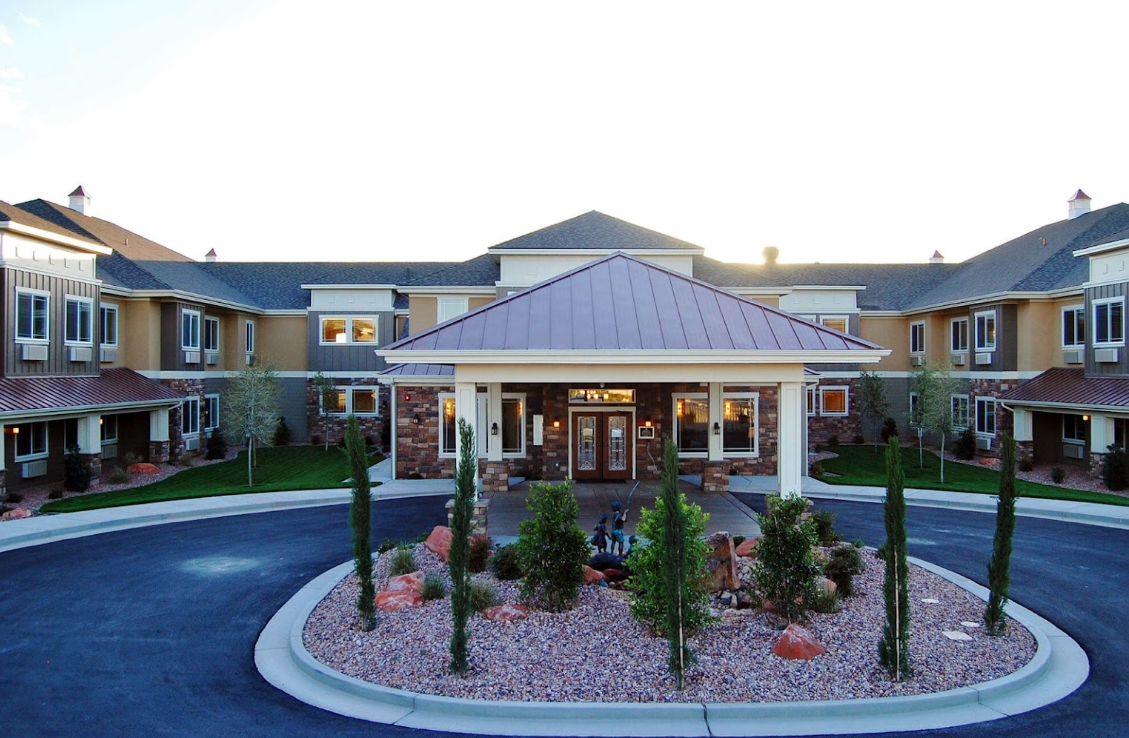
Senior Living Facility Roofing Planning
The roof walk for Senior Living Facility Roofing documents membrane type, seams, laps, edges, curbs, drains, scuppers, wall transitions, previous repair chemistry, roof traffic, rooftop equipment, and interior leak evidence. If we see trapped moisture, loose edge metal, backed-out fasteners, split pitch pockets, blocked overflow, brittle sealant, dust packed into drainage paths, or ponding water on Senior Living Facility Roofing, those conditions go into the file before anyone talks about repair, coating, recover, or replacement.
For Senior Living Facility Roofing, I-27, Loop 289, Marsha Sharp Freeway, US 62/82, US 84, US 87, 19th Street, 34th Street, Slide Road, University Avenue, Milwaukee Avenue, and Lubbock Preston Smith International Airport create different roof access and staging conditions. A Senior Living Facility Roofing scope around a central business district public building, a Texas Tech campus roof, a Lubbock Rail Port warehouse, and a North Overton mixed-use roof cannot be written from the same access assumptions. The Senior Living Facility Roofing file has to explain where material lands, how crews reach the roof, how open work is dried in each day, and what happens if a severe-thunderstorm cell, dust front, or high-wind advisory changes the work window.
Senior Living Facility Roofing gets scoped from roof evidence, access limits, weather windows, and the operating risk below the roof.
Weather exposure is part of Senior Living Facility Roofing, not a separate sales category. Lubbock Senior Living Facility Roofing roofs work through high UV, dry heat, wind-driven dust, hard storm rain, severe-thunderstorm wind, occasional hail, and fast thermal movement across metal edges. After weather, our Senior Living Facility Roofing review checks perimeter metal, coping joints, membrane bruising, rooftop-unit fins, open seams, displaced panels, drainage paths, and interior evidence so an owner can separate cosmetic marks from urgent defects.
For Senior Living Facility Roofing, the AA Roofing reference is a Divi WordPress shell with a top contact bar, white logo and navigation header, full-width slider hero, split image and copy band, dark parallax-style CTA band, Divi contact form and map band, Lato and Open Sans typography, and a compact black footer. That local fact matters for Senior Living Facility Roofing because commercial roof work around Lubbock is tied to agriculture, education, healthcare, downtown office buildings, logistics, airport cargo, research facilities, manufacturing, retail, restaurants, and public buildings. A Senior Living Facility Roofing recommendation that ignores dock schedules, guest entries, secure access, public traffic, heat, or storm-readiness timing can cost more in disruption than it saves in material.
The technical file for Senior Living Facility Roofing should include roof area, deck type, membrane type, insulation clues, existing layer count, drainage slope, attachment assumptions, edge conditions, manufacturer questions, and permit triggers. We keep certification and warranty language out of Senior Living Facility Roofing unless it is verified by the building owner or manufacturer. The Senior Living Facility Roofing owner should be able to compare repair, restoration, recover, and replacement without sorting through invented proof.
For Senior Living Facility Roofing, the City of Lubbock says LEDA continues to develop a 586-acre Lubbock Business Park adjacent to Interstate 27. We keep code assumptions in the right lane for Senior Living Facility Roofing by noting jurisdiction, permit triggers, insulation discussions, fire classification questions, wind securement, and whether the existing roof can legally and practically be recovered. A small missing detail in a Senior Living Facility Roofing estimate can become a large change order if layer count, wet insulation, or edge securement is ignored.
Budget planning for Senior Living Facility Roofing works when every line item has a roof reason. A Senior Living Facility Roofing repair should name the failed detail. A Senior Living Facility Roofing maintenance recommendation should list repeat tasks. A Senior Living Facility Roofing coating option should show adhesion, moisture, and thickness assumptions. A Senior Living Facility Roofing recover plan should explain why the existing roof can remain. A Senior Living Facility Roofing replacement scope should describe tear-off, deck review, insulation, temporary dry-in, edge metal, drains, safety, and closeout documents.
For Senior Living Facility Roofing, the City of Lubbock describes North Ivory Avenue in Lubbock Business Park as a 112-foot-wide industrial boulevard with two traffic lanes in each direction and a 55-foot median drainage channel. We use that South Plains context on Senior Living Facility Roofing so the recommendation stays tied to a real building. For Senior Living Facility Roofing, a roof above a Broadway office, a Lubbock Business Park distribution building, a North Ivory logistics property, a Medical District building, and a South Plains Mall retail roof can share membrane materials while needing different shutdown windows, odor controls, crane plans, and tenant notices.
For Senior Living Facility Roofing, the City of Lubbock notes North Ivory Avenue allows a 206,105-square-foot building east of the street to handle north/south semi-truck traffic. The Senior Living Facility Roofing roof file should state what we saw, what we could not verify, what needs immediate containment, what belongs in routine maintenance, and what should move into a capital plan. That is how Senior Living Facility Roofing decisions stay useful for building owners and operations teams after the first roof walk ends and the budget conversation moves to ownership, procurement, or facilities leadership.
Procurement on Senior Living Facility Roofing gets easier when the scope separates assumptions from field evidence. On Senior Living Facility Roofing, we call out roof sections, wet areas, drain locations, edge conditions, rooftop equipment, and interior impacts in plain language. If Senior Living Facility Roofing needs a second option, the alternate has to explain the tradeoff, not just lower the number. That Senior Living Facility Roofing approach gives Lubbock owners a cleaner path for tenant protection, production continuity, and roof-system fit and a project scope that fits the building.
The next step for Senior Living Facility Roofing is practical: send the building location, roof age if known, leak photos, access instructions, tenant limits, and any past reports. We will map a Senior Living Facility Roofing roof walk for Lubbock, collect evidence, and explain the safest path from immediate protection to a responsible commercial roofing scope that fits the roof, the weather window, and the business below.
What information should we send before a Senior Living Facility Roofing roof walk?
Before a Senior Living Facility Roofing roof walk, send the building location, roof age if known, roof access instructions, leak photos, tenant restrictions, secure-site rules, and prior roof reports. Those details let us shape the inspection around the actual roof problem instead of arriving with a generic checklist.
Can Senior Living Facility Roofing be handled while the building stays occupied?
For Senior Living Facility Roofing, occupied-building work depends on access, odor, noise, staging room, heat, wind, weather exposure, and how much roof must be opened at one time. We phase the work around dry-in, tenant protection, loading paths, and the operating schedule below the roof.
How do we compare repair, coating, recover, and replacement for Senior Living Facility Roofing?
For Senior Living Facility Roofing, we compare moisture evidence, layer count, deck condition, drainage, age, storm exposure, roof traffic, and future use before naming a scope. That evidence is what separates a repair file from a restoration plan, a recover option, or a replacement budget.
Do you promise manufacturer certification or insurance approval for Senior Living Facility Roofing?
For Senior Living Facility Roofing, we do not invent credentials, promise claim outcomes, or write warranty language before the facts support it. We document conditions, identify manufacturer or carrier questions, and keep recommendations tied to reviewable roof evidence.
What makes Lubbock planning different for Senior Living Facility Roofing?
Lubbock planning for Senior Living Facility Roofing has to account for I-27, Loop 289, Marsha Sharp Freeway, airport cargo access, Reese Technology Center, downtown staging, high UV, dry heat, wind-driven dust, severe-thunderstorm wind, hail, and roof work above active logistics, healthcare, retail, public, education, and manufacturing buildings.
Ready To Review Senior Living Facility Roofing?
Send the roof location, leak photos, access notes, and decision timeline. We will start with the roof evidence and keep the scope tied to what can be verified.
Senior Living Facility Roofing in Lubbock, TX is regulated by Life Safety Code requirements, CMS compliance standards, and state health agency rules that apply to skilled nursing, assisted living, and memory care facilities. Any roofing work at a licensed senior living facility in Lubbock must be coordinated with the facility administrator and the infection control program before work begins. Dust, debris, and airborne particulates entering resident spaces from an open roof section can trigger a state inspection finding, regardless of how minor the contractor's activity appears from the outside.
Occupied building sequencing for senior living facility roofing means working wing by wing, building a temporary protection system over each open section before residents below are exposed to weather risk, and restoring roof integrity before moving to the next phase. HVAC systems at senior living facilities in Lubbock must maintain continuous temperature and humidity control for resident comfort and infection prevention. Any roofing activity that disrupts mechanical equipment, penetrations, or unit curbs requires advance coordination with the facility's maintenance director and an approved contingency plan for occupied wing protection.
Regulatory inspections by CMS surveyors and state licensing agencies create real stakes for senior living facility roofing documentation. A roof in poor condition can appear as a maintenance deficiency in a survey report, which can affect the facility's operational license. Commercial Roofing provides roof condition documentation that uses plain language accessible to non-technical reviewers, photographs that show the current state of each roof section, and a priority-ranked repair or replacement recommendation that facility ownership can present to a board or equity partner.
Regional senior housing operators in Lubbock, including assisted living portfolios, nonprofit continuing care retirement communities, and publicly funded skilled nursing facilities, all require contractors who understand both the technical and regulatory dimensions of senior living facility roofing. Call or reach us at to discuss a roofing assessment for your Lubbock senior living property.
CMS conditions of participation, state health agency licensing standards, and NFPA Life Safety Code requirements all create roofing-adjacent obligations that affect how work is sequenced, documented, and reported.
We coordinate with the infection control officer, seal off roof access points to prevent dust entry, and limit open sections to areas that can be isolated from HVAC return air paths serving resident spaces.
Yes, but only with a phased plan that keeps each open section protected at the end of every work day and maintains HVAC continuity for resident comfort and regulatory compliance.
A written scope, contractor insurance certificates, an infection control plan, daily work logs, and a final condition report with photographs. CMS surveyors may ask to see contractor documentation during a survey visit.
Next Step
Send the building address, roof age if known, leak photos or condition photos, roof access notes, tenant limits, and the decision timeline. We will shape the roof walk around tenant activity, roof access, safety planning, and the operating schedule below the work and return a practical scope tied to what can be verified.