
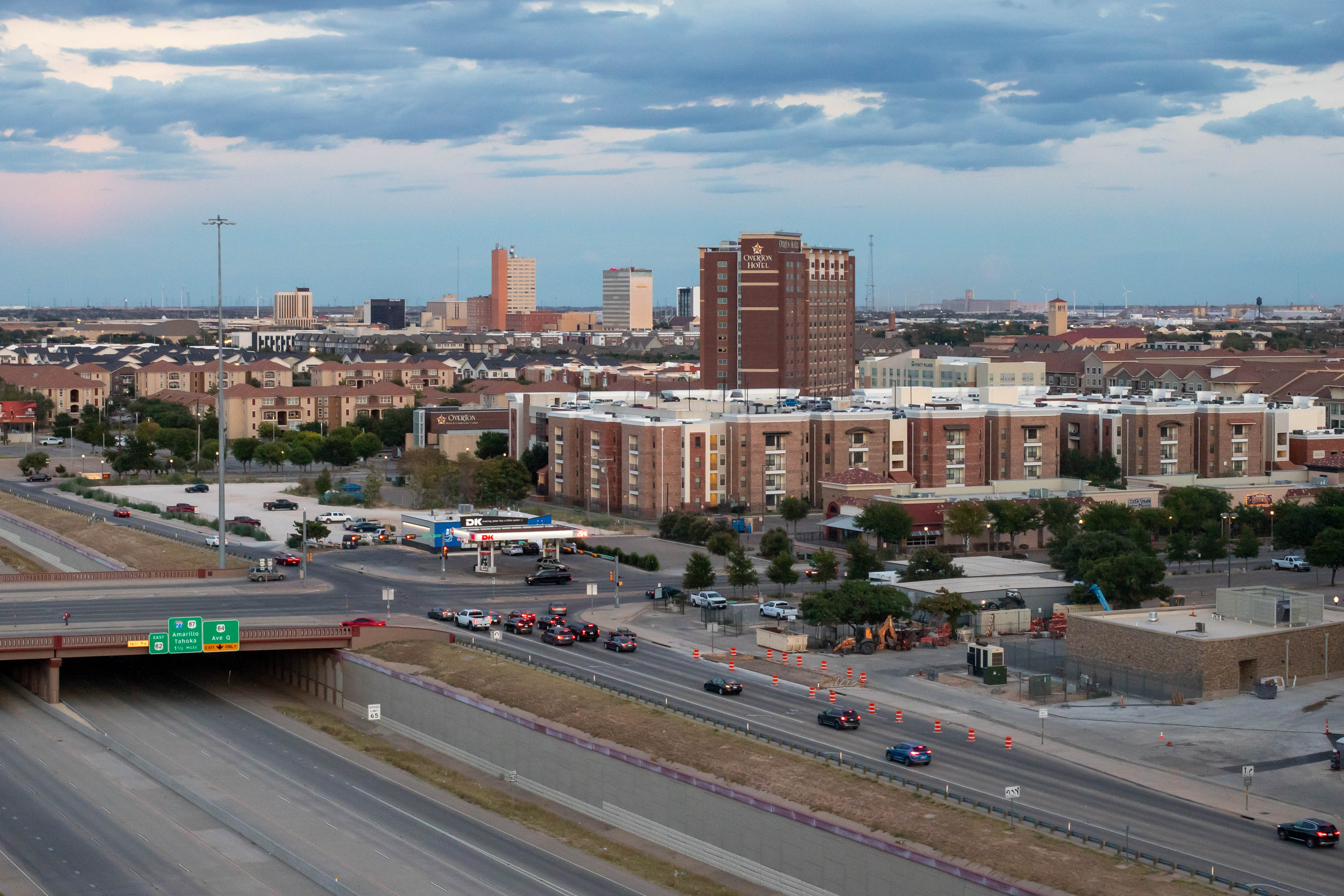
Winter weather on the Caprock is not a rare event
Lubbock's elevation on the Caprock and its position in the Texas Panhandle mean winter here is a real season, not an occasional inconvenience. Most years bring at least one ice storm capable of coating rooftop equipment, parapet caps, and edge metal in ice, along with periodic heavier snow events that can sit on a low-slope roof for days before melting. Neither event is as dramatic as a spring hailstorm, but both put real stress on commercial roof systems, and the damage often shows up gradually rather than all at once.
The bigger risk on a flat or low-slope commercial roof usually isn't the weight of snow itself — most commercial systems are designed for regional snow loads — it's the freeze-thaw cycle that follows. Lubbock's winter pattern often swings from a hard freeze to daytime temperatures well above freezing within the same week. Moisture that gets into a seam, a flashing lap, or a coating crack during the freeze expands as ice, stresses the material, then thaws before the next cold snap refreezes it again. Repeated cycles like that can turn a small, unnoticed gap into an active leak by spring.
What we look for after a winter storm
We inspect drains, scuppers, and roof edges first, since that's where meltwater concentrates and where refreezing is most likely to back water up under flashing or membrane laps. We check parapet caps and coping for ice-related movement or cracked sealant, and we look at rooftop equipment curbs and penetrations, which can develop gaps as materials contract in the cold. On membrane roofs, we look for stress cracking at seams and around fasteners; on coated roofs, we check for hairline cracking that can widen with each freeze-thaw cycle.
Because winter damage often develops slowly, we document baseline conditions after a significant ice or snow event even when there's no active leak yet. That gives you a dated record if a slow leak shows up weeks later, and it helps separate winter-storm damage from ordinary wear when a claim is being reviewed.
Building the claim file
The documentation we produce includes photos of ice or snow accumulation where relevant, close-ups of affected flashing, seams, and drains, and a written description tying each observation to the storm event and date. Where interior damage has already appeared — a stain, a drip, a soft spot in ceiling tile — we photograph that too and note where it lines up with the roof-level finding above it. We meet the adjuster on the roof when scheduling allows, walking the same areas we've already documented.
We're your roofing contractor, not a public adjuster — we document and substantiate the roof damage so you and your adjuster work from an accurate scope.
Frequently asked questions
Does Lubbock get enough snow and ice to damage a commercial roof?
Yes. The South Plains sees several winter storm events most years, including ice storms and periodic heavier snow, and the freeze-thaw cycling that follows is often more damaging to a low-slope roof than the snow load itself.
What is freeze-thaw damage on a commercial roof?
Freeze-thaw damage happens when moisture trapped in a roof system freezes, expands, and stresses the membrane, flashing, or coping, then thaws and refreezes with the next cold snap. Repeated cycles can open seams, crack coatings, and worsen existing leaks.
Can ice damming happen on a flat commercial roof?
Ice damming is more associated with sloped residential roofs, but a low-slope commercial roof can develop similar problems at drains, scuppers, and parapet transitions when snowmelt refreezes faster than it drains, backing water up under flashing or membrane laps.
Should we inspect the roof after an ice storm even without a visible leak?
Yes. Ice can stress flashing, coping, and membrane seams without producing an immediate interior leak. Documenting the roof soon after an ice event gives you a record of conditions before a slower freeze-thaw problem develops into an active leak.
How is a winter-storm claim different from a hail or wind claim?
Winter damage tends to develop gradually through repeated freeze-thaw cycles rather than showing up all at once, so the documentation often relies more on comparing conditions over time. We date-stamp our inspections so a slow-developing claim still has a clear evidence trail.
Get a post-storm roof check
Send the building address and the date of the ice or snow event. We'll schedule an inspection, document conditions at the drains, flashings, and seams, and give you a dated record for your file.
Next Step
Send the building address, the winter-storm date, and any interior signs of a leak. We'll inspect the roof, document what the freeze-thaw cycle did, and return findings tied to what can be verified.